Buenos Aires, Feb 28, 2026, 06:20 ART — Market closed.
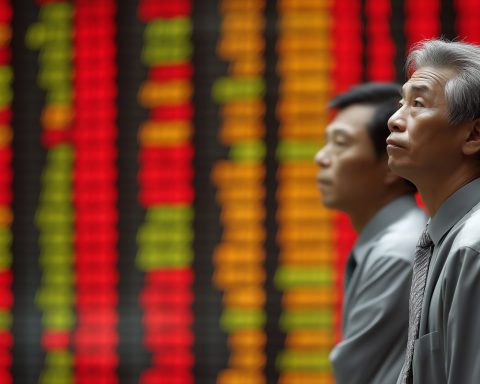
- The S&P Merval fell 4.1% on Friday, ending the week about 8% lower.
- Milei-backed labor reform won final Senate approval after the close, setting up Monday’s first test.
- Traders are lining up March inflation data as the next local catalyst.
Argentina’s benchmark S&P Merval index closed down 4.1% on Friday at 2,642,105.5 points, capping a weekly decline of about 8%. The index finished February down roughly 17.4% in pesos, based on the last close of January. (Investing.com)
The next session will open with a fresh political catalyst on the tape. Argentina’s Senate approved President Javier Milei’s labor reform late on Friday, giving it final clearance to become law after weeks of tense debate and protests. (Reuters)
Why it matters now: the vote landed after the Buenos Aires close, so the market did not get a clean shot at pricing it. Investors are using the law as a read on whether Milei can keep pushing his broader agenda through Congress, even as the selloff in local shares has made positioning more jumpy.
Global risk appetite is not helping. World equities edged lower on Friday as investors weighed high valuations, the disruptive pull of AI, and geopolitical tensions that pushed oil prices higher, a backdrop that has been awkward for riskier corners of emerging markets. (Reuters)
The labor reform is aimed at easing hiring and other rules and allowing the standard workday to be extended from eight to 12 hours, among other changes. It also creates an employer-financed severance fund using contributions currently earmarked for the national pension system, a point opponents say could squeeze pension resources.
For listed companies, the mechanics matter. A severance fund is meant to replace traditional lump-sum payments when workers are laid off, shifting the cost toward a pooled system that can change cash-flow planning and firing costs. Investors will watch for how fast firms can adapt — and how many court challenges turn up.
Some overseas investors have framed the reform as a step toward a more investable Argentina, though not a straight line. “The labor legislation is ‘a big deal,’” Benjamin Gedan, director of the Latin America program at the Stimson Center, was quoted as saying. (Barron’s)
The risk case sits right next to the bull case. Unions have already shown they can mobilize, and any push to change strike rules or tap pension-linked funds could harden resistance and slow implementation, even with the law passed.
On the calendar, traders have a clear date circled: Argentina’s CPI report for February is scheduled for March 12, according to INDEC’s dissemination calendar. That release will be watched for whether disinflation is holding, and for what it means for domestic rates and the peso mood.
Markets reopen on Monday, March 2. First up is the reaction to the labor reform vote; next up is that March 12 inflation print, the kind of number that can reset the week in Buenos Aires fast.