WASHINGTON, April 22, 2026, 14:38 EDT
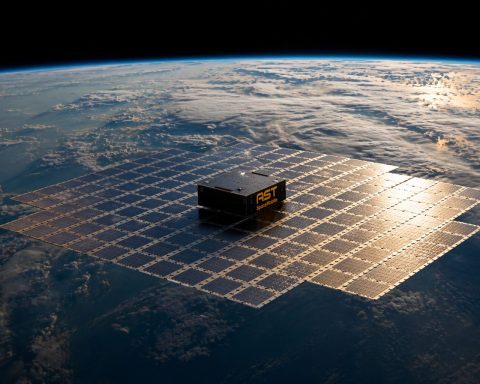
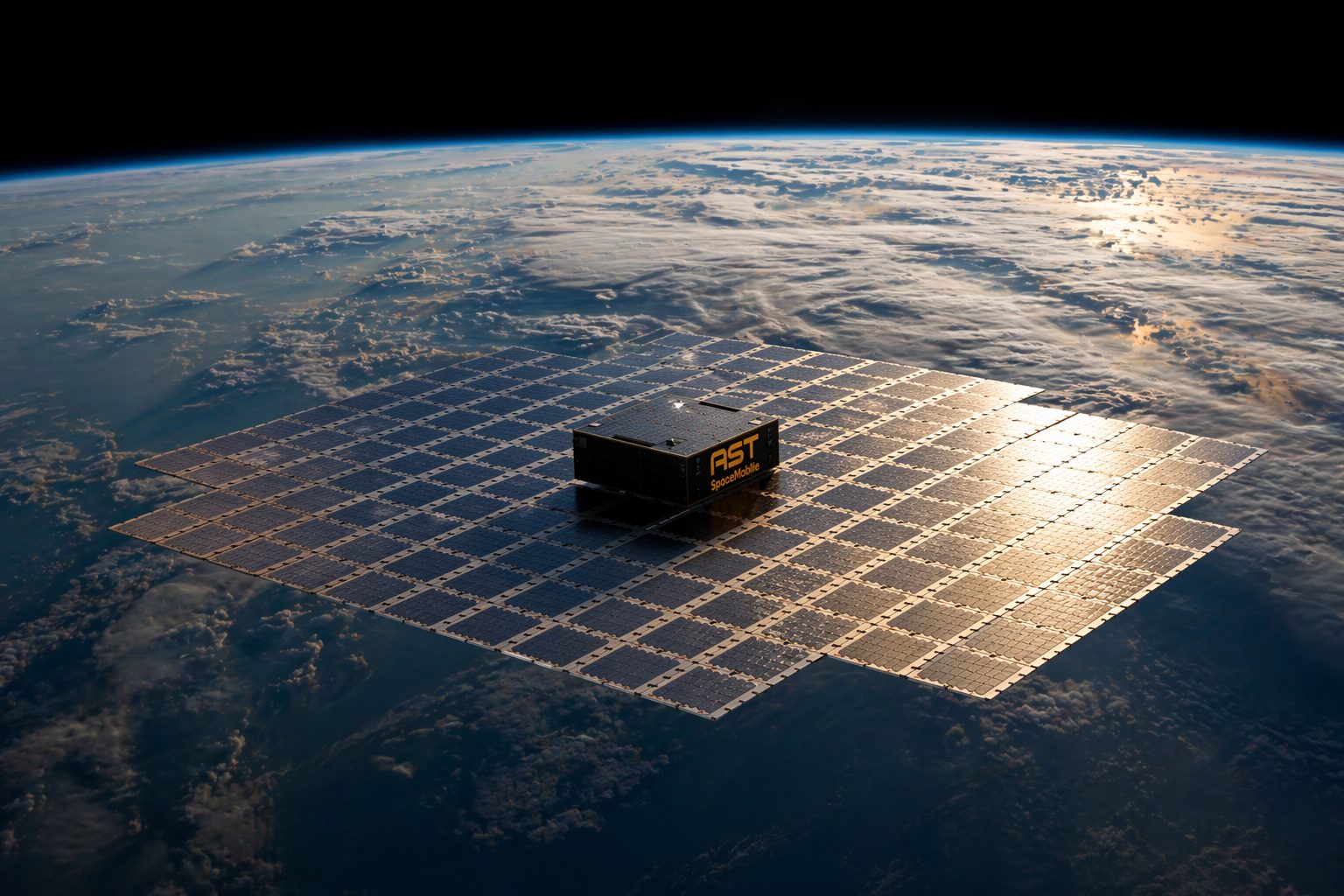
AST SpaceMobile won U.S. approval to deploy and operate a 248-satellite network aimed at connecting standard mobile phones directly to satellites, a regulatory lift for the company days after one of its spacecraft was lost in a launch mishap. The Federal Communications Commission order, dated April 21, granted AST & Science authority, with conditions, to provide “supplemental coverage from space,” or satellite coverage that fills gaps where ground mobile networks do not reach.
The decision matters now because direct-to-device satellite service is moving from a niche emergency feature toward a broader telecom market. AST said the authorization lets it use 700 MHz and 800 MHz spectrum in coordination with Verizon, AT&T and FirstNet, the U.S. public-safety network, to serve ordinary, unmodified smartphones across the United States. Abel Avellan, AST’s founder, chairman and chief executive, said the company was “moving closer to commercial service.” (Business Wire)
The approval also lands as investors test which satellite operators can scale fast enough to challenge SpaceX’s Starlink and Amazon’s satellite plans. Amazon said last week it would buy Globalstar in an $11.57 billion deal to strengthen its direct-to-device position, while Starlink already serves more than 9 million users globally, Reuters reported. Armand Musey, president and founder of Summit Ridge Group, told Reuters that Amazon had been “falling behind Starlink on satellite broadband.” (Reuters)
AST shares rose about 4.9% to $83.92 in Wednesday afternoon trading, after touching an intraday high of $87.70. The move put the stock back in focus after a rough start to the week, when the failed BlueBird 7 deployment sharpened questions over launch schedules.
The FCC license is not a blank check. The order requires AST to launch and operate 50% of the maximum number of authorized satellites by Aug. 2, 2030, and complete the constellation by Aug. 2, 2033, while filing semiannual reports on collision-avoidance events, satellite disposals and other orbital-safety matters.
AST’s setback came on Blue Origin’s New Glenn 3 mission. The company said BlueBird 7 separated from the launch vehicle and powered on, but was placed in an orbit too low to sustain operations and would be de-orbited; AST said it expected the satellite cost to be recovered under insurance. The company said BlueBird 8 through 10 should be ready to ship in about 30 days and that it still expects launches every one to two months on average this year. (Business Wire)
The New Glenn failure also has consequences for Blue Origin, which is trying to build a heavy-lift launch business that can compete more directly with SpaceX. The Federal Aviation Administration ordered Blue Origin to conduct a mishap inquiry before New Glenn can return to flight, and Blue Origin CEO Dave Limp said early data showed one upper-stage engine “didn’t produce sufficient thrust” to reach the planned orbit. (Reuters)
The risk for AST is timing. Insurance can soften the financial hit from one lost satellite, but it does not replace lost orbital capacity or erase dependence on launch providers, spectrum coordination and regulator-imposed milestones. If more launches slip, the company may struggle to meet its own 2026 deployment targets before rivals turn direct-to-device service into a more crowded market.
For now, the FCC ruling changes the near-term story. AST no longer has to argue only that Washington will let its phone-to-satellite network operate at scale. It now has to prove it can build, launch and run that network fast enough.