BOSTON, April 22, 2026, 14:40 EDT
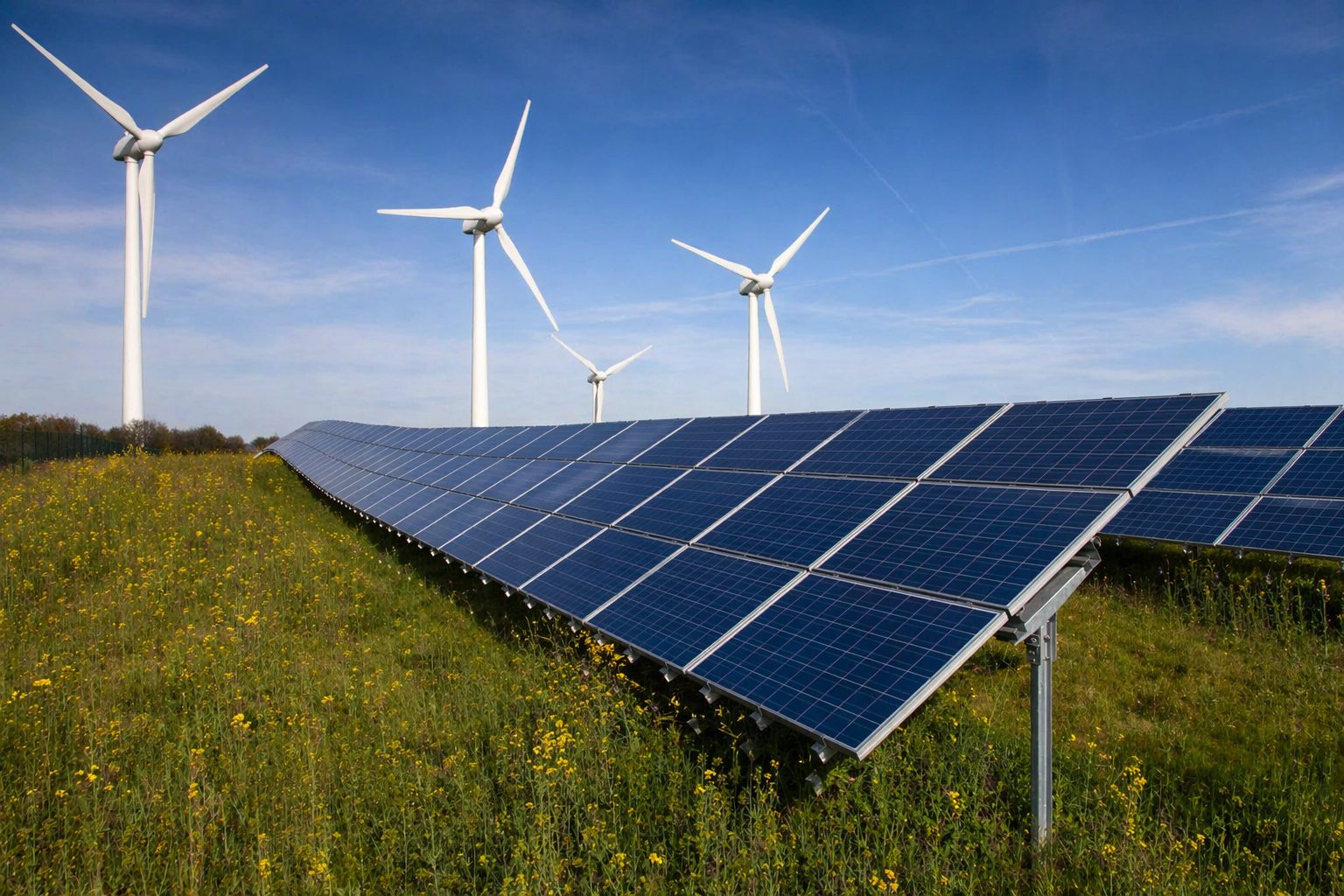
A federal judge in Boston has blocked Trump administration permitting policies that wind and solar groups said were stalling new power projects, giving renewable developers a near-term legal opening while the case proceeds. Chief U.S. District Judge Denise Casper issued a preliminary injunction, a temporary court order before a final ruling, sought by nine clean-energy trade and advocacy groups. (Reuters)
The timing matters. Developers are racing to move projects before federal renewable tax credits expire, while U.S. electricity demand keeps rising. The blocked policy required solar and wind projects on federal lands and waters to receive personal approval from Interior Secretary Doug Burgum, a layer the government said was needed to end preferential treatment for renewables. (AP News)
Casper found the plaintiffs were likely to succeed on at least some claims under the Administrative Procedure Act, the law that governs how federal agencies make and justify rules. Bloomberg Law reported that the judge blocked five actions and said federal agencies had not given a clear rationale for rules that singled out wind and solar developers. (Bloomberg Law)
The power-market backdrop is getting harder to ignore. U.S. clean-power sources generated more electricity than fossil-fuel plants for the first time in March, accounting for 52% of utility-supplied output, while first-quarter clean electricity rose 6.5% from a year earlier to 512.3 terawatt hours, Reuters reported, citing Ember data. (Reuters)
The case turns on whether the federal government put wind and solar into what industry lawyers called second-class status. E&E News reported that the order applies to members of the plaintiff groups and covers measures including Interior’s July memo, a “capacity density” review and access to a federal planning tool used for environmental review. (E&E News by POLITICO)
Kit Kennedy, managing director for power at the Natural Resources Defense Council, said the administration should “take the hint” and stop attacks on projects needed for surging power demand and lower consumer costs. The plaintiffs said they looked forward to restarting affected wind and solar projects nationwide. (CT Mirror)
Ted Kelly, director and lead counsel for U.S. clean energy at Environmental Defense Fund, said the administration had been “burying solar and wind projects in red tape.” EDF and Massachusetts had filed friend-of-the-court briefs backing the renewable companies’ request for an injunction. (Environmental Defense Fund)
Liz Burdock, chief executive of offshore-wind group Oceantic Network, called the ruling “another attempt to stall homegrown energy” being invalidated. Her group said offshore wind still faces held-back benefits even as projects seek to move after a string of court wins. (Oceantic Network)
The competitive context is not clean-cut. GE Vernova raised its 2026 forecasts on Wednesday as demand from data centers and grid infrastructure boosted orders for gas turbines and grid equipment, while its wind segment remained weak, with first-quarter revenue down 23% and wider losses. (Reuters)
Outside the United States, the green-energy race is moving in another direction. China and India are pushing state-backed green hydrogen, hydrogen made with renewable power rather than fossil fuels, as Western markets cool on some early targets; Jose Bermudez, the International Energy Agency’s hydrogen lead, told Reuters China now has “almost all the biggest projects in the world.” (Reuters)
India also logged a fresh commercial deal. Larsen & Toubro said its L&T Energy GreenTech unit signed a long-term agreement with Japan’s ITOCHU to supply 300,000 tonnes a year of green ammonia from a proposed Gujarat facility, part of India’s plan to build hydrogen and derivative-fuel output. (Reuters)
But the ruling does not end the risk. Renewables Now reported that plaintiffs had claimed the contested policies put more than 57 GW of renewable capacity at risk of cancellation or serious delay, with about $905 million already sunk into project development. Appeals, agency practice, tax-credit deadlines and grid-connection queues can still slow the build-out. (Renewables Now)
For green energy today, the signal is narrow but important: one legal bottleneck has been loosened. Developers still need permits, equipment, interconnection slots and power buyers. For now, the court has shifted the fight from whether agencies may block the lane to how quickly projects can move through it.