Shanghai, Feb 17, 2026, 18:05 CST — Market closed.
- Mainland China shares are shut for Lunar New Year, with trading set to resume on Feb. 24. (mint)
- Hong Kong’s market is closed Feb. 17-19 after a half-day on Monday, reopening on Feb. 20. (hkex.com.hk)
- Mainland benchmarks last fell on Feb. 13, while the Hang Seng ended Monday higher in thin pre-holiday trade. (Xinhua News)
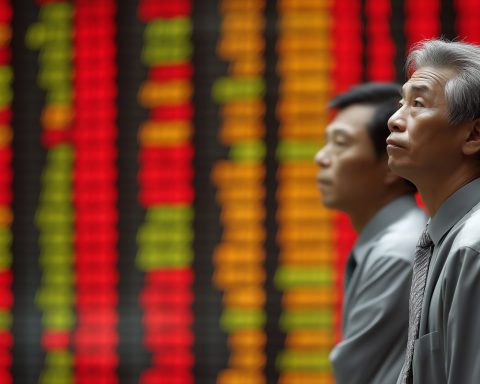
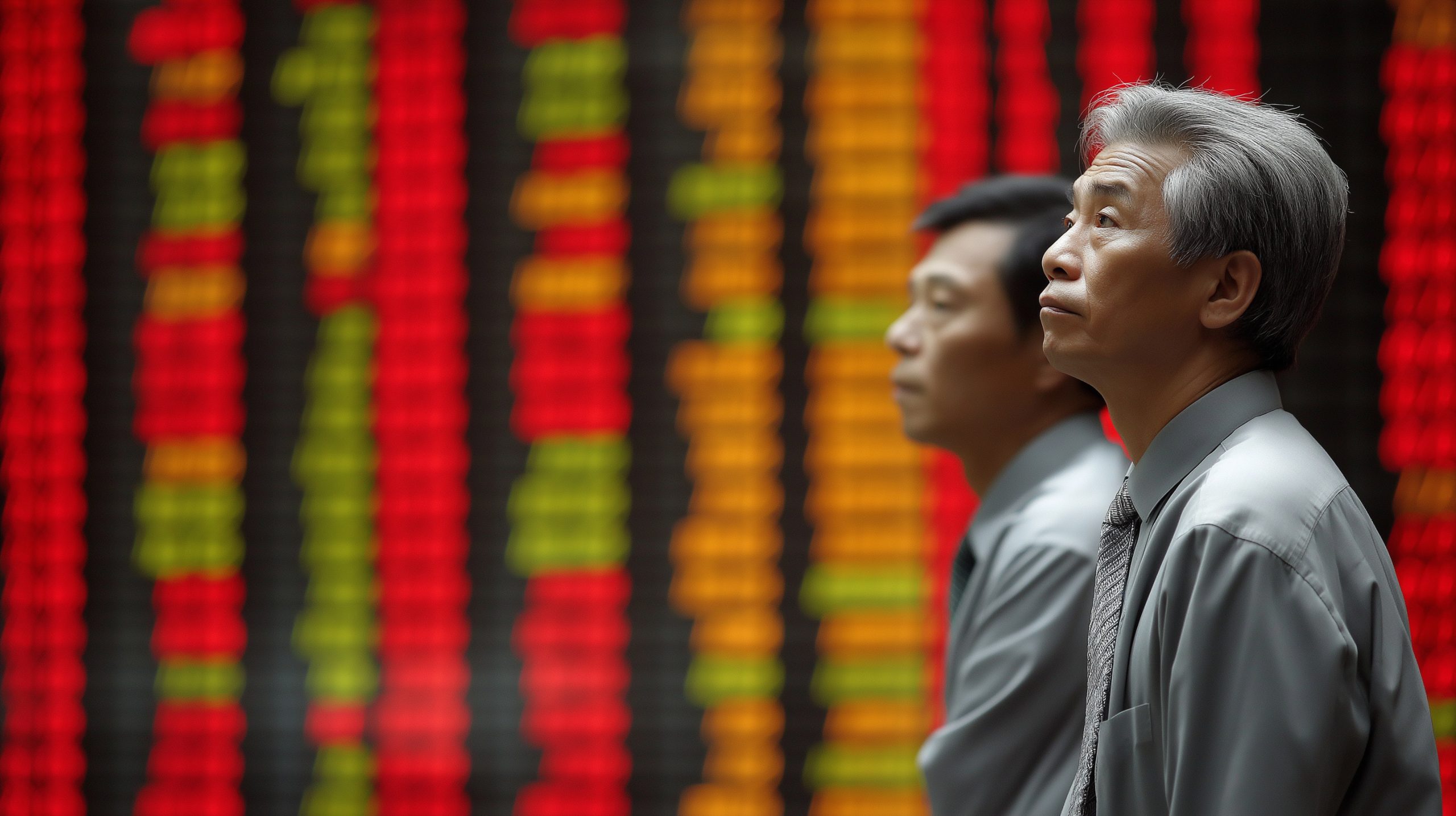
Mainland China’s stock market was closed on Tuesday for the Lunar New Year holiday, leaving investors to take their cues from offshore trading and global markets until Shanghai and Shenzhen reopen. (Reuters)
That matters because the break freezes price discovery just as cross-asset moves pick up in holiday-thinned conditions elsewhere. Any surprise in geopolitics, rates or commodities can build into a bigger gap move when onshore trading returns. (Reuters)
China’s A-share market is scheduled to stay shut from Feb. 16 through Feb. 23, resuming on Feb. 24, according to exchange calendars cited by Mint. Hong Kong’s bourse, a key venue for China-linked names when the mainland is closed, is shut Feb. 17-19 after a half-day session on Feb. 16. (mint)
In the last mainland session before the break, Chinese shares fell, with the Shanghai Composite down 1.26% to 4,082.07 and the Shenzhen Component off 1.28% to 14,100.19, state media reported. (Xinhua News)
Blue-chip stocks tracked by the CSI 300 ended Feb. 13 down 1.25% at 4,660.41, according to Investing.com data. The CSI 300 groups 300 of the largest stocks listed in Shanghai and Shenzhen. (Investing.com)
Hong Kong’s Hang Seng index last closed at 26,705.94 on Feb. 16, up 0.52%, after a shortened session ahead of the holiday, HKEX data showed. (hkex.com.hk)
With mainland exchanges shut, the day’s tone in China-sensitive assets has leaned on broad risk sentiment, oil and the dollar, as investors looked ahead to U.S.-Iran nuclear talks and other geopolitical headlines, a Reuters markets report said. (Reuters)
Some of the most immediate single-stock risk for the reopening sits in big China tech names exposed to Washington. The United States briefly posted, then withdrew, an updated list of Chinese firms alleged to aid Beijing’s military that added Alibaba and Baidu, among others. “Hopefully, (the Pentagon) pulled the document because removing CXMT and YMTC was an error,” Chris McGuire, a former White House National Security Council official, said. Eric Sayers, a nonresident fellow at the American Enterprise Institute, called it a “process issue” tied to interagency sign-off. (Reuters)
Property remains another pressure point. China’s new home prices fell 0.4% month-on-month and 3.1% year-on-year in January, Reuters calculations based on official data showed. “The foundations of the property market’s recovery remain fragile,” Zhang Dawei, an analyst at Centaline Property, said. (Reuters)
Investors also have one eye on Beijing’s market messaging after officials stepped up oversight aimed at cooling speculative trading. “A rising stock market helps fund China’s technology advancement, enhances people’s wealth, and aids economic growth,” said Meng Lei, UBS’s China strategist, in a Reuters report last week. (Reuters)
But the long holiday break cuts both ways. Thin offshore liquidity can exaggerate moves, and any renewed risk-off swing — from geopolitics to renewed U.S.-China friction — could show up as a sharper-than-usual adjustment when onshore trading resumes.
The next hard catalyst for China equities is the reopen itself on Feb. 24, when investors will re-price global moves accumulated over the break; in Hong Kong, trading returns on Feb. 20. Beyond that, China’s official February purchasing managers’ index (PMI) report is scheduled for March 4, the next broad read on business activity after the holiday, according to the statistics bureau’s release calendar. (stats.gov.cn)